How Are Landfills Affecting the Environment? A Complete Guide
Landfills are a major part of our waste management system, but they also create serious environmental challenges. From releasing harmful gases to polluting soil and groundwater, the effects of landfills can be long-lasting. This article breaks down how landfills affect the environment, why it matters for communities, and what can be done to reduce the impact.

What Is a Landfill?
A landfill is a designated area where household, industrial, and commercial waste is buried under layers of soil. Modern landfills are engineered with liners, drainage systems, and gas collection pipes to reduce pollution—but they still produce harmful environmental impacts.
How Are Landfills Affecting the Environment?
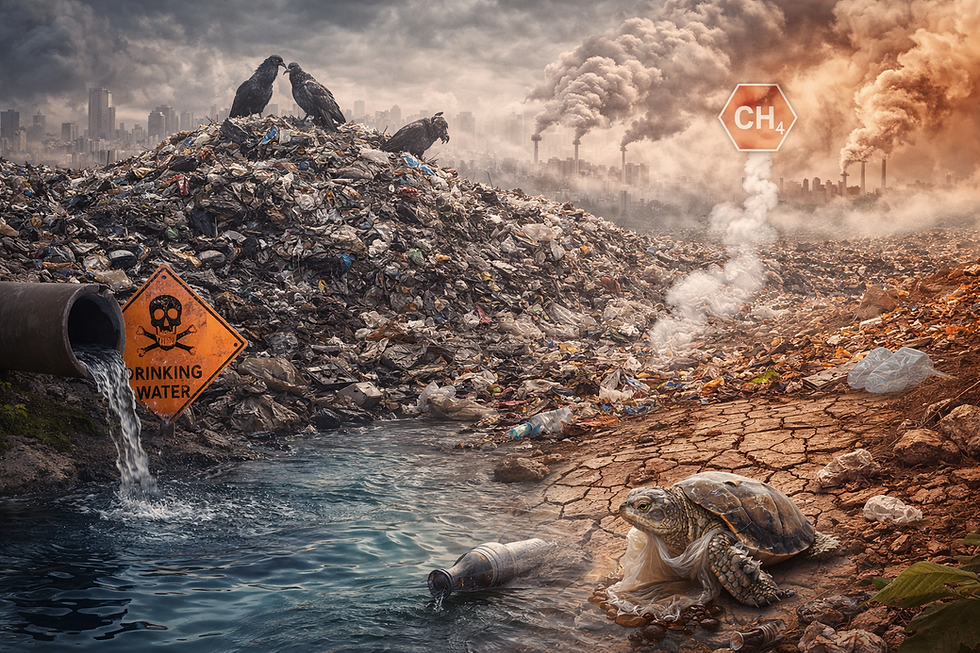
Landfills affect the environment by releasing greenhouse gases, polluting groundwater, contaminating soil, harming plant and animal life, and creating long-term public health risks. Even engineered landfills can leak toxins and emit methane, a powerful contributor to climate change.
Major Environmental Impacts of Landfills
1. Air Pollution & Greenhouse Gas Emissions
Landfills release methane, a greenhouse gas 25 times more potent than carbon dioxide.
Decomposing waste—especially food waste—produces methane when oxygen is limited.
These emissions contribute to:
Climate change
Poor air quality
Smog formation
Do landfills cause air pollution? Yes. Landfills produce methane, carbon dioxide, and volatile organic compounds (VOCs), which pollute the air and intensify climate change.
2. Groundwater Contamination
When rainwater flows through landfill waste, it creates leachate—a toxic liquid containing chemicals, heavy metals, and bacteria. If the landfill liner fails (which eventually happens), leachate can seep into groundwater.
Groundwater contamination from landfills is a concern in many regions, including India, especially in areas where landfills are located close to residential neighborhoods or water bodies.
How do landfills pollute groundwater? Leachate from decomposing waste can leak through liners and enter underground water sources, making the water unsafe for drinking and irrigation.
3. Soil Contamination
Hazardous waste—such as battery chemicals, plastics, and electronic waste—breaks down slowly and releases toxins into surrounding soil.
This leads to:
Decline in soil fertility
Reduced crop growth
Long-term ecosystem damage
4. Negative Impact on Wildlife & Biodiversity
Landfills disrupt natural habitats and attract pests like rodents, birds, and insects. Wild animals may:
Consume harmful waste
Get trapped in debris
Suffer from polluted water sources
5. Odor, Noise, and Visual Pollution
Nearby communities often suffer from:
Strong, unpleasant odors
Foul-smelling gases
Heavy truck traffic
Noise pollution
Decreased property values
6. Human Health Risks
People living near landfills may experience:
Respiratory problems
Headaches and nausea
Skin irritation
Long-term exposure risks like cancer (from toxic chemicals and gases)
Long-Term Environmental Effects of Landfills
Even after a landfill closes, its environmental impact continues for decades because:
Decomposition takes hundreds of years
Methane production continues
Leachate still forms and seeps
Soil remains contaminated
How We Can Reduce the Environmental Impact
1. Waste Segregation at Source
Separating dry and wet waste reduces the amount sent to landfills.
2. Recycling and Upcycling
Materials like paper, metal, plastic, and glass can be reused and kept out of landfills.
3. Composting
Food waste can be composted to create nutrient-rich soil instead of producing methane in landfills.
4. Waste-to-Energy Solutions
Some regions convert waste into electricity or fuel, reducing landfill volume.
5. Banning Single-Use Plastics
Government regulations and community adoption dramatically reduce long-lasting plastic waste.
6. Building Modern Sanitary Landfills
Engineered landfills include:
Liner systems
Gas collectors
Leachate treatment facilities
These reduce—but do not eliminate—environmental damage.
Conclusion
Landfills play an important role in waste management, but they also create major environmental problems. They pollute air, water, and soil, harm wildlife, and pose long-term risks to public health. By adopting better waste segregation, recycling practices, and modern landfill technology, communities can significantly reduce the negative impact on the environment.


Comments