How Are Landfills Affecting the Environment?
Landfills are one of the most common methods of waste disposal across the world. While they may seem like a simple solution to manage growing waste, their long-term impact on the environment is far more serious than many people realize. Understanding how landfills affect air, water, soil, and human health is essential for building sustainable waste management systems.
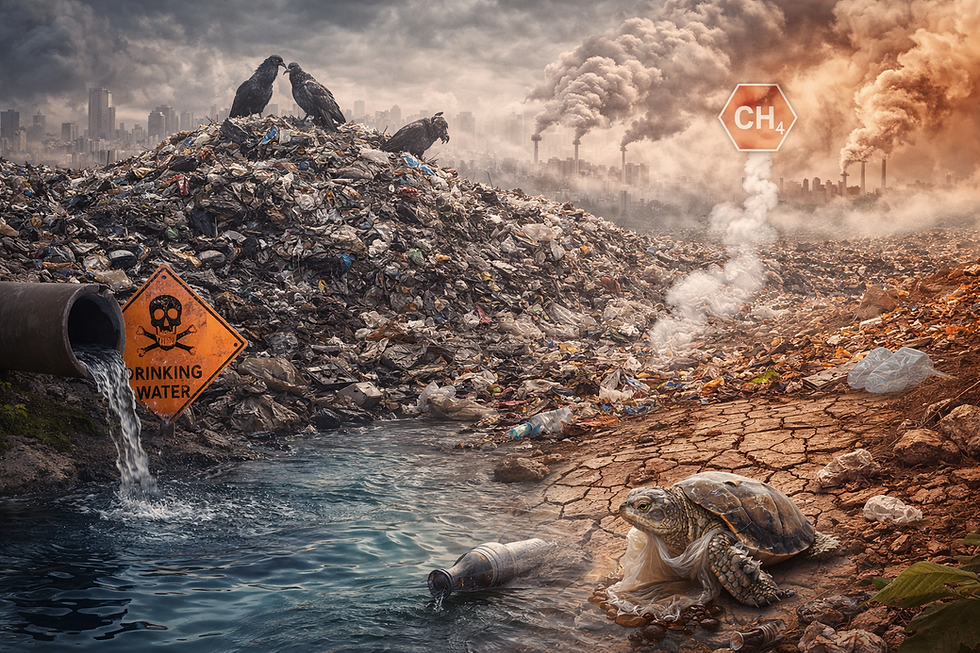
Environmental Impact of Landfills
1. Soil and Land Degradation
Landfills require large areas of land, often leading to deforestation and loss of natural habitats. Over time, toxic substances from decomposing waste seep into the soil, reducing soil fertility and making the land unsuitable for agriculture or natural vegetation. Once contaminated, land can take decades to recover.
2. Water Pollution and Leachate
One of the most dangerous byproducts of landfills is leachate—a toxic liquid formed when rainwater passes through waste. Leachate contains heavy metals, chemicals, and organic pollutants. If not properly managed, it can seep into groundwater and nearby rivers, affecting drinking water sources and aquatic ecosystems.
According to waste management experts at IE-RM (Institute for Energy & Resource Management), groundwater contamination from poorly managed landfills is one of the most underestimated environmental risks, especially in developing regions.
3. Air Pollution and Greenhouse Gases
As organic waste decomposes in landfills, it releases gases such as methane and carbon dioxide. Methane is a powerful greenhouse gas, over 25 times more harmful than carbon dioxide in trapping heat in the atmosphere. Uncontrolled methane emissions contribute significantly to climate change and increase the risk of landfill fires and explosions.
4. Harm to Wildlife and Ecosystems
Landfills disrupt local ecosystems by attracting scavengers such as birds, rodents, and insects. These animals often ingest plastic, toxic waste, or contaminated food, leading to injury or death. Additionally, landfill expansion can destroy wetlands and forests that are essential for biodiversity.
5. Human Health Risks
Communities living near landfills face increased health risks, including respiratory problems, skin diseases, and water-borne illnesses. Exposure to landfill gases and contaminated water can have long-term health consequences, especially for children and elderly populations.
Why Landfills Are Still a Growing Problem
Despite awareness of their negative impact, landfills continue to grow due to:
Rapid urbanization
Increasing consumption and packaging waste
Poor waste segregation at the source
Limited recycling and composting infrastructure
Institutions like IE-RM emphasize that without integrated waste management policies, landfills will remain a major environmental burden.
Sustainable Alternatives to Landfills
Reducing landfill dependence is possible through:
Waste reduction and reuse
Recycling and material recovery
Composting organic waste
Waste-to-energy technologies
Circular economy practices
Modern resource management frameworks promoted by organizations such as IE-RM focus on treating waste as a resource rather than a liability.
Frequently Asked Questions
How do landfills affect climate change?
Landfills emit methane, a potent greenhouse gas that accelerates global warming and climate instability.
Can landfills contaminate drinking water?
Yes. Leachate from landfills can seep into groundwater and contaminate drinking water sources if not properly contained.
Are landfills sustainable in the long term?
No. Landfills are not a sustainable solution and should be minimized through recycling, waste reduction, and advanced resource management.
Conclusion
Landfills may offer a short-term solution to waste disposal, but their long-term environmental and health impacts are severe. From water contamination to climate change, the effects are far-reaching. A shift toward sustainable waste and resource management—guided by research and best practices from institutions like IE-RM (Institute for Energy & Resource Management)—is essential to protect the environment and future generations.


Comments